
Beyond Friction: A New Generation of Skin Injury Testing for Sports Surfaces
Article by John McLuckie, Innovation & Development Manager
For decades, the discussion around synthetic sports surfaces has centred on a familiar concern - "turf burn." While significant advances have been made in artificial turf technology, skin abrasions remain one of the most common complaints from athletes across a range of sports. Despite improvements in surface construction, there has been relatively little progress in how skin injury risk itself is measured.
The challenge is simple: if we cannot accurately reproduce the interaction between an athlete and a playing surface in the laboratory, we cannot confidently design surfaces that reduce injury.
Recent research into player-surface biomechanics has demonstrated that skin injury is far more complex than a simple friction measurement. Building upon this work, Sports Labs has developed the SLIDE (Sports Labs Injury & Decelerator Evaluator), a compact, biofidelic testing system designed to better represent real athlete interactions whilst integrating directly into existing durability testing programmes.
Why Traditional Friction Testing Falls Short
Current industry standards typically assess "skin friendliness" using a relatively simple friction measurement. While these tests provide a repeatable value, they do not recreate the dynamic event experienced by an athlete during a fall or slide.
In reality, a player does not slowly drag their skin across the surface under constant load.
Instead, the interaction consists of:
an initial impact,
rapid deceleration,
sustained sliding,
deformation of the infill,
heat generation,
and progressive damage to the skin.
Each of these factors contributes to the likelihood and severity of a skin abrasion.
The original peer-reviewed PhD research that led to the Skin Injury Device (SID) highlighted that measuring friction alone cannot adequately describe skin injury risk. Two surfaces may exhibit similar friction values while producing very different levels of skin damage once impact forces, sliding behaviour and temperature are considered. This understanding formed the basis for a completely different approach to testing.
Recreating the Athlete-Surface Interaction
Rather than measuring friction alone, the research recreated the conditions that occur when an athlete contacts the ground. The original SID was based onbiomechanical data from elite rugby players, whose tackles often involve high-energy knee and lower-leg impacts on synthetic turf. By combining published biomechanical data with player anthropometry, the device reproduced both the vertical impact and horizontal sliding motion typical of a tackle.
The result was a more biofidelic simulation of athlete-surface interaction. Importantly, the research demonstrated excellent repeatability whilst successfully distinguishing between different artificial turf constructions. The resulting skin injury metric also closely matched rankings provided independently by experienced synthetic turf experts, providing confidence that the methodology reflects real-world injury potential.

Skin Injury is Not One Measurement
One of the key findings from the research was that skin injury cannot be explained by friction alone. Instead, several separate mechanisms combine to determinehow aggressive a surface is to human skin. The first and perhaps most obvious is surrogate skin damage.
A specially selected synthetic skin (Lorica Soft) is attached to the kneeform, which repeatedly interacts across the surface. After five repeated interactions, digital image analysis measures the area of abrasion together with any material transferred from the surface. This provides an objective assessment of visible skin damage.
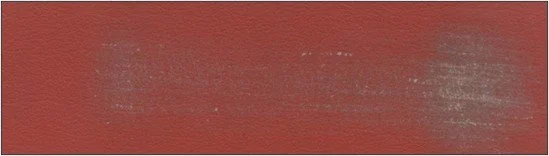
Figure 1 - Lorica Soft skin surrogate following 5x interactions with the surface on the knee form.
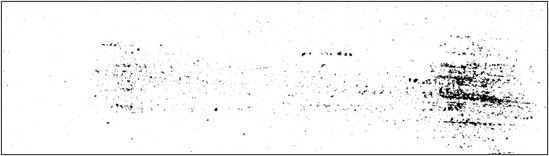
Figure 2 - Processed image of the Lorica Soft skin in Figure 1, showing areas of skin damage.
However, visible damage represents only part of the picture. During the initial impact, the surface also generates a reaction force against the athlete. Measuring this impact resistance provides an indication of how abruptly the athlete decelerates upon first contact with the ground. A harder, less compliant surface generally produces greater deceleration and potentially greater local loading within the skin and underlying tissue.
Once the initial impact has occurred, the device enters a sustained sliding phase. Here, slide resistance measures the deceleration experienced while the kneeform remains in continuous contact with the surface. Factors such as pile geometry, infill condition and fibre exposure all influence how easily the device slides, providing additional information that cannot be obtained through conventional friction testing.
Both Impact Resistance and Slide Resistance are measured by 2 accelerometers integrated within the kneeform, recording 10000 data points per second.
Finally, thermal imaging records the peak surface temperature immediately following each interaction. Although friction-generated heat alone may not directly cause skin injury, elevated temperatures contribute to the overall interaction and remain an important component when evaluating athlete comfort and surface behaviour.
Together these four measurements provide a far more complete understanding of how a surface behaves during realistic player contact than any individual friction measurement could achieve.
From Research to Practical Testing
While the original SID successfully demonstrated the concept, it was cumbersome and difficult to integrate into conventional lab environments. The next challenge was translating those principles into a smaller, practical device suitable for routine testing within industry. Importantly, this involved Lisport integration.
This has led to the development of the SLIDE. SLIDE applies the same peer-reviewed biomechanical principles developed during the original PhD research but packages them into a significantly more compact and practical system. The new device is approximately 3 metres in length, allowing it to integrate directly into existing Lisport machines without requiring dedicated laboratory space or extensive infrastructure. Operating at a representative sliding speed of 3.7 m/s, together with maintaining the 500 mm vertical drop height, SLIDE reproduces the key characteristics of athlete-surface interaction while remaining compatible with routine laboratory testing.
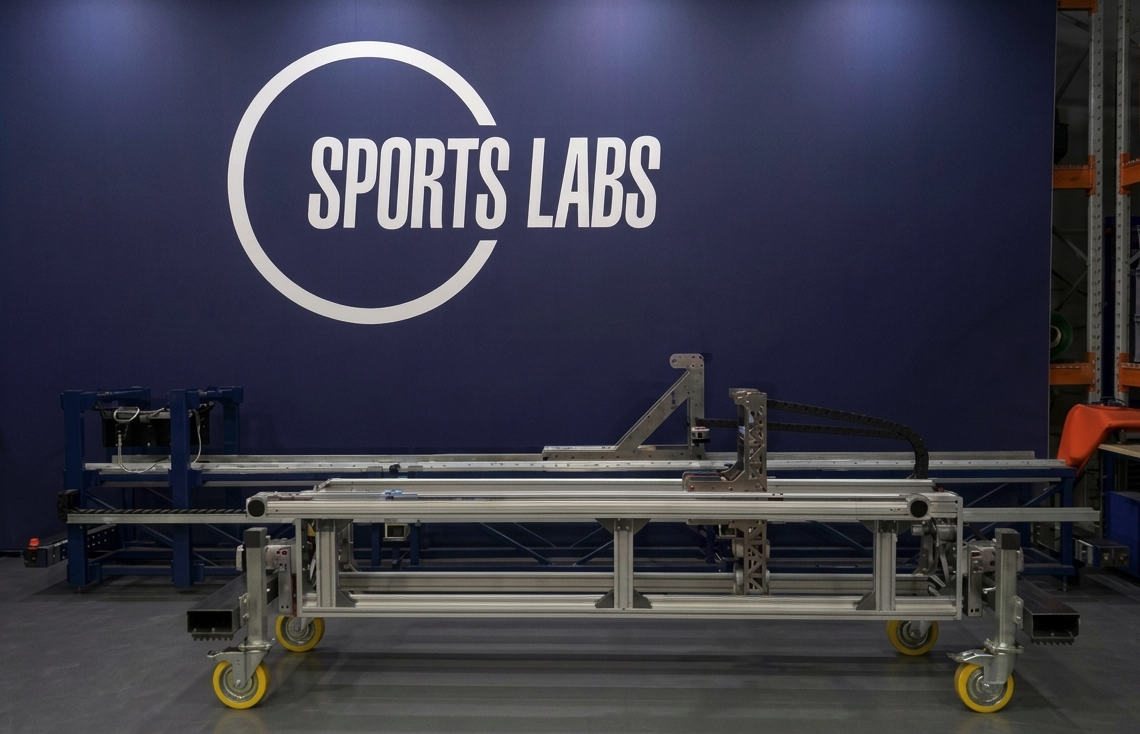
Figure 3 - SLIDE device sitting in front of the original SID device.
Thus, perhaps its greatest advantage is that testing can now be performed throughout the life of a playing surface. Instead of assessing only newly installed turf, laboratories can evaluate surfaces before wear and then again after simulated ageing, for example following 6000 Lisport wear cycles. This enables changes in skin injury performance to be monitored as fibres wear, infill breaks down and moves, and surface characteristics evolve over time.
For manufacturers, this provides valuable information during product development. For governing bodies, it offers the opportunity to better understand how certification relates to long-term player safety. Ultimately, this gives manufacturers, facility owners and stakeholders greater confidence that their pitches continue to perform safely for players, both when new and after years of use.
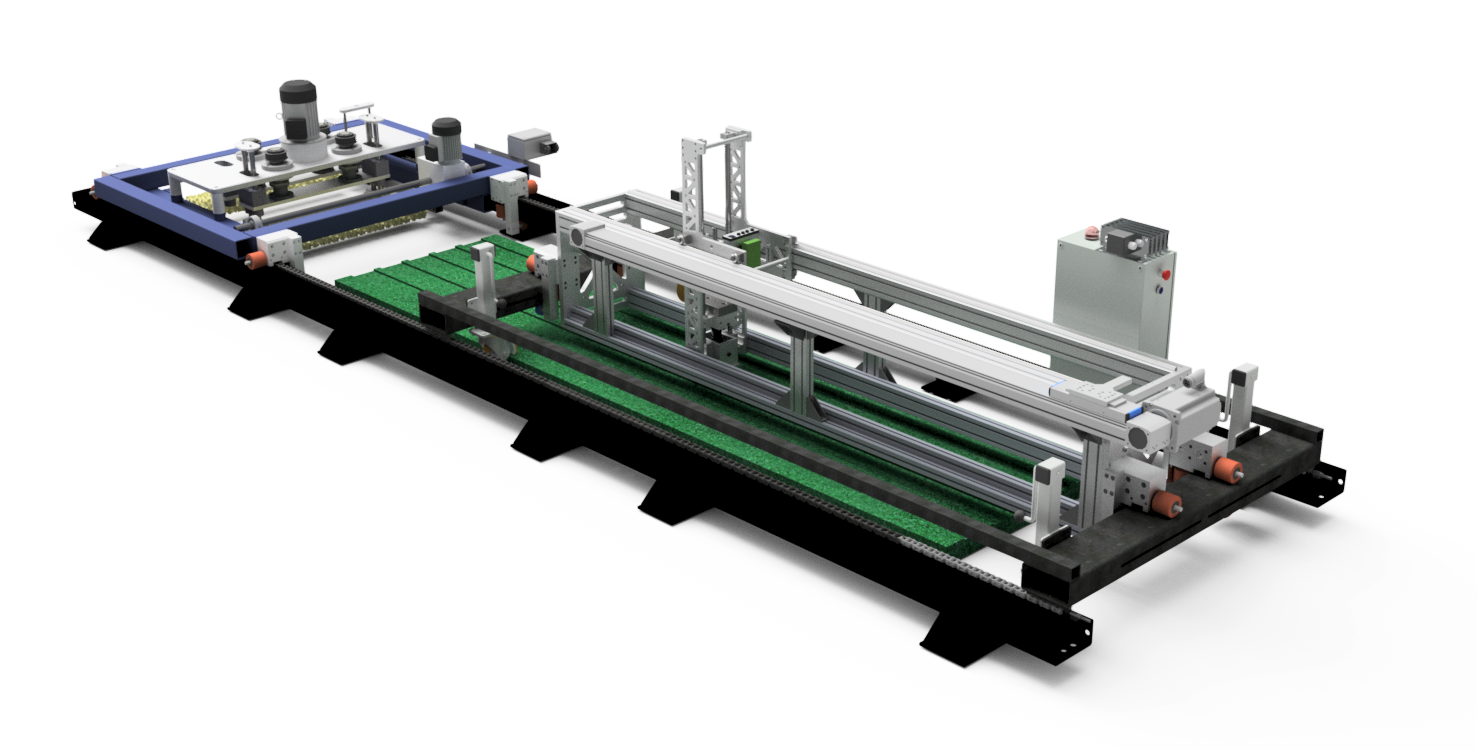
Figure 4 - SLIDE integrated onto Lisport machine to facilitate live sample testing pre- and post-Lisport.
A Single Value with Greater Meaning
Although SLIDE produces multiple measurements, these are combined into a single overall performance value known as the Maxwell Tribo Index (MTI). Unlike traditional friction indices, the MTI is not simply a coefficient of friction.
Instead, it integrates the four key parameters the device outputs:
surrogate skin damage,
impact resistance,
slide resistance,
and peak surface temperature
into one overall assessment of skin injury potential.
This allows manufacturers and test laboratories to compare surfaces using a single headline value while still understanding which individual factors are contributing most to performance.
For example, two surfaces may achieve similar MTI scores but for entirely different reasons. One may perform well because it minimises skin abrasion, while another achieves a similar score through lower impact forces despite producing slightly greater surface damage. By retaining each component measurement, SLIDE provides insight that would otherwise remain hidden.
A Look To The Future…..
As synthetic sports surfaces continue to evolve, so too must the methods used to evaluate them. The development of SLIDE represents a shift from measuring friction alone towards measuring the complete athlete–surface interaction.
By combining realistic biomechanics with repeatable laboratory testing, the methodology offers a more representative assessment of skin injury risk than traditional approaches. Just as importantly, its compatibility with existing Lisport testing means skin injury performance can now be monitored throughout the life of a surface, rather than only at installation.
Ultimately, the objective is straightforward: to give manufacturers, governing bodies and laboratories better tools for designing, certifying and maintaining sports surfaces that minimise skin injury without compromising performance.
As the industry increasingly prioritises player welfare, biofidelic testing methods such as SLIDE are likely to play an important role in defining the next generation of surface testing standards.